

OEM Automotive Shocks & Struts
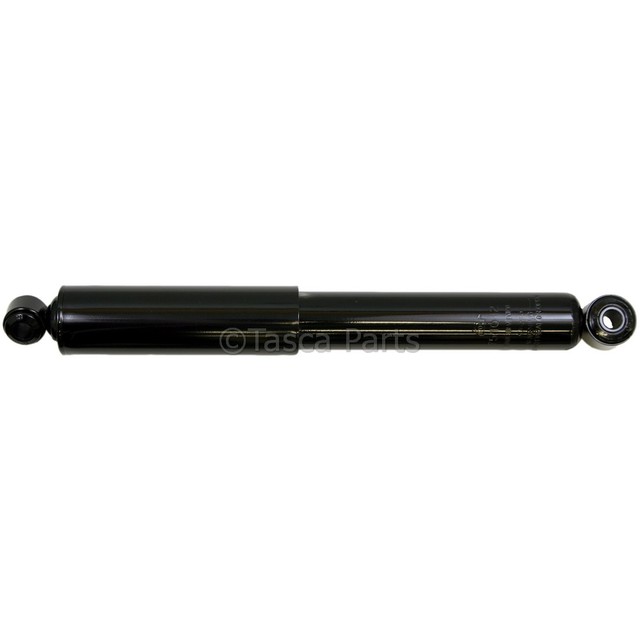
Gas Charged Rear Shock Absorber

Rear Shock Absorber Crossmember Washer

Gas Charged Rear Shock Absorber
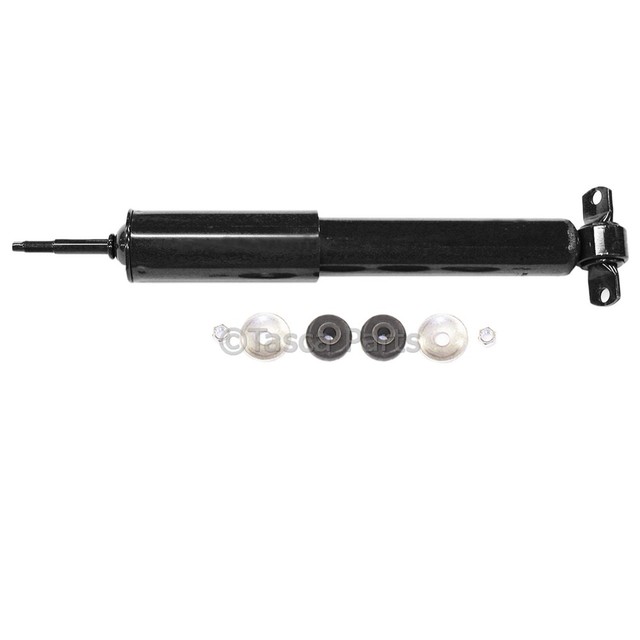
Gas Charged Front Shock Absorber
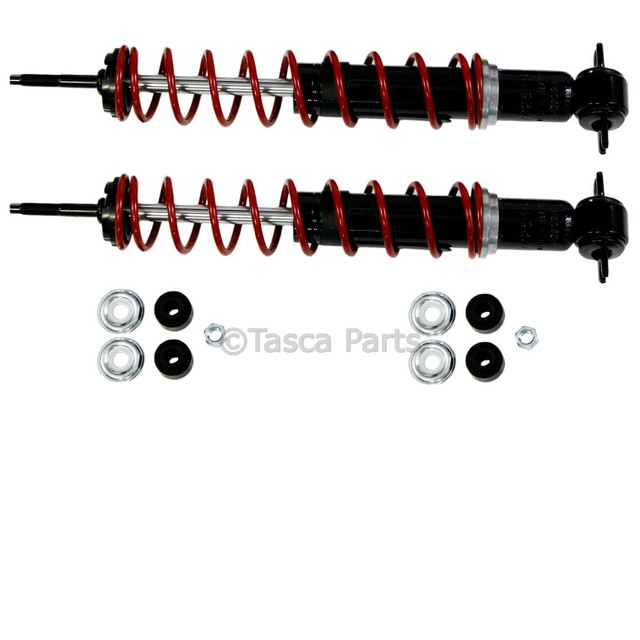
Front Spring Assisted Shock Absorber
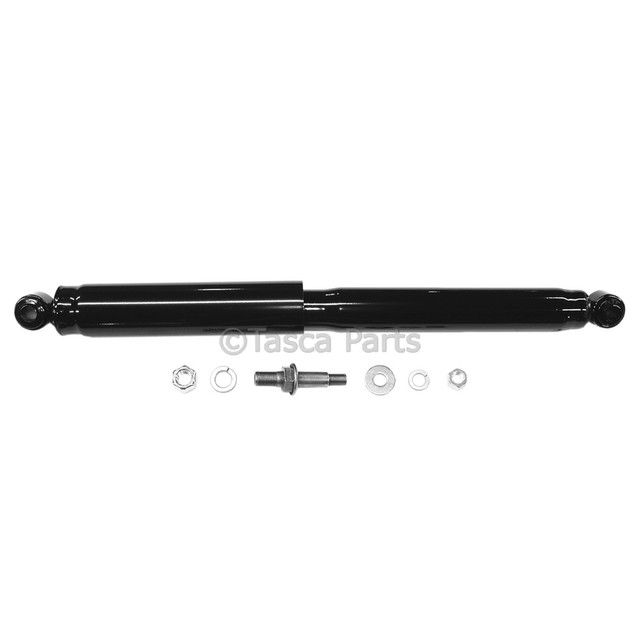
Gas Charged Rear Shock Absorber
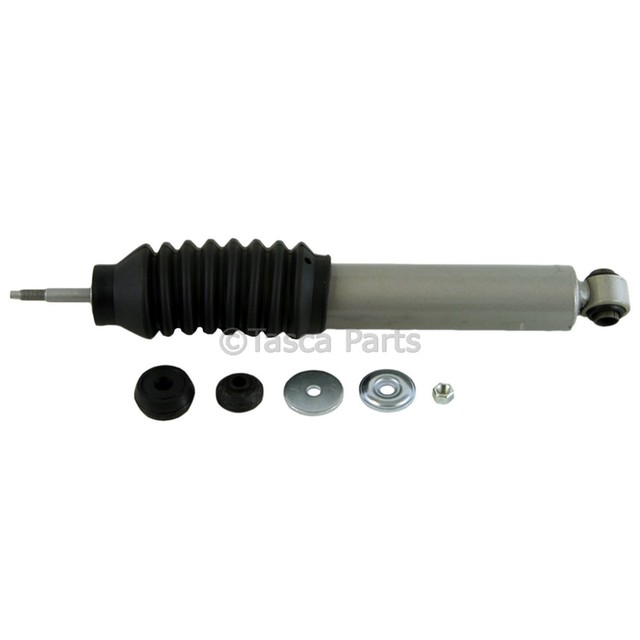
Premium Monotube Rear Shock Absorber
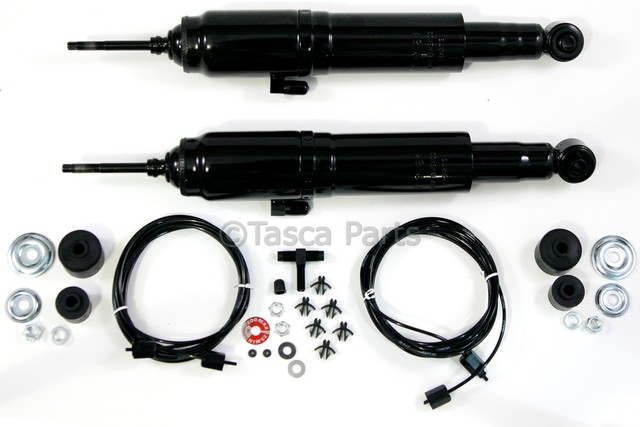
Rear Air Lift Shock Absorber
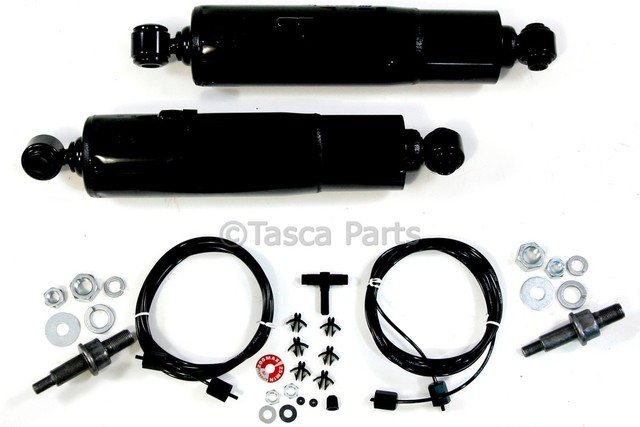
Rear Air Lift Shock Absorber
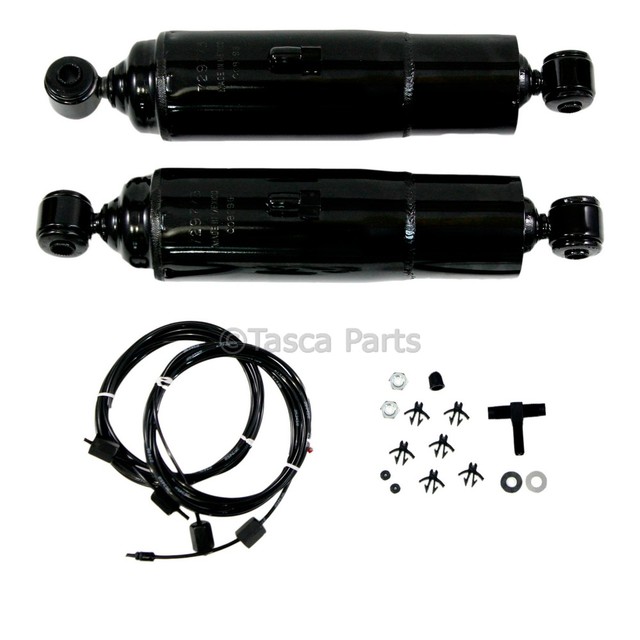
Rear Air Lift Shock Absorber
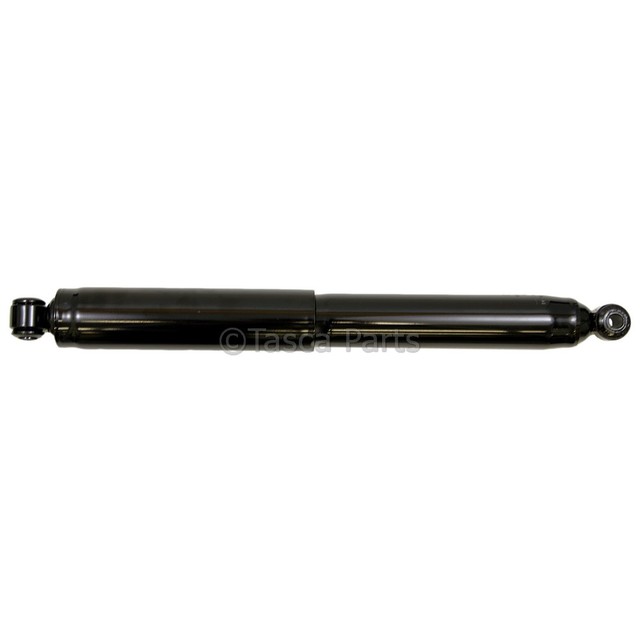
Gas Charged Rear Shock Absorber

Rear Shock Absorber Bracket Reinforcement
No results found for "shocks, struts, suspension". Here are some helpful search tips:
- Search by a part name. Example: water pump.
- Be less specific. Example: brake instead of ceramic brake.
- Remove information such as make, year or model.
- Can't find the part you are looking for? Contact us and we'll find it for you!
TL;DR
Shocks and struts help control suspension movement, tire contact, and ride behavior. Match each replacement by vehicle, axle position, suspension package, and part number before ordering.
Worn suspension dampers may contribute to excess bouncing, nose dive, uneven tire wear, or a less settled ride, although those symptoms can have more than one cause. Tasca Parts helps shoppers narrow genuine OEM suspension components using vehicle information, catalog notes, part numbers, and VIN details.
What This Category Includes
- Front and rear shock absorbers
- Strut assemblies and related mounts
- Suspension hardware, boots, bump stops, and insulators where cataloged
Why Genuine OEM Shocks & Struts Matter
An OEM shock or strut is engineered around the vehicle's original suspension geometry and factory calibration. That can simplify matching mounting points, connector provisions, spring configuration, and electronically controlled suspension features compared with a universal or broadly cross-referenced alternative.
How to Choose the Right Part
Identify whether the repair requires a shock, a complete strut assembly, or a related mount or insulator. Confirm front or rear position, left or right side when specified, standard or performance suspension, electronic damping, load-leveling equipment, and any production-date notes. Inspect related tires, springs, control-arm bushings, and mounts before deciding what belongs in the repair plan.
Compatibility and Fitment Guidance
Two vehicles with the same model name may use different dampers because of trim, drivetrain, wheel package, payload rating, or suspension code. Select the full vehicle configuration, compare the old part number when readable, and use the VIN when catalog notes remain unclear. Follow the service manual or a qualified technician's guidance for installation, torque procedures, alignment checks, and whether paired replacement is appropriate.
While planning the job, shoppers may also want to review related wheels and rims for worn or affected components. Verify each item separately for the vehicle.
Key Takeaways
- Match axle position and suspension option, not appearance alone.
- Check mounts and nearby suspension wear at the same time.
- Verify part numbers and VIN details before purchase.
Frequently Asked Questions
What is the difference between a shock and a strut?
A shock primarily controls suspension movement. A strut also forms part of the suspension structure and may support the spring and steering geometry, depending on the vehicle.
Should shocks or struts be replaced in pairs?
Many repair procedures recommend addressing both sides of an axle to maintain balanced behavior, but follow the vehicle service information and the condition of the components.
Will replacing struts require an alignment?
Strut work can affect alignment on many vehicles. Check the service procedure and have alignment inspected when the repair or vehicle design calls for it.