

Ford Oxygen Sensors
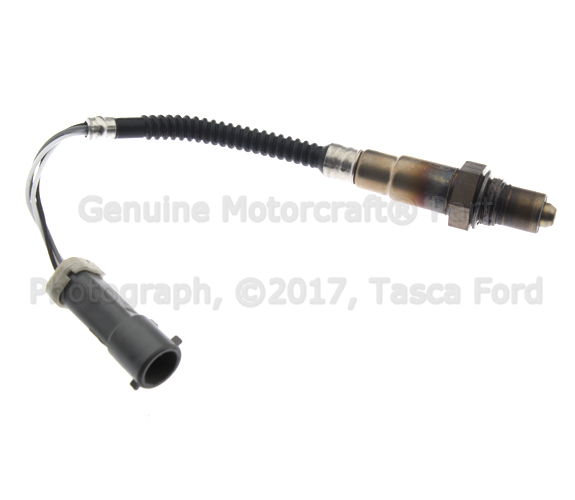
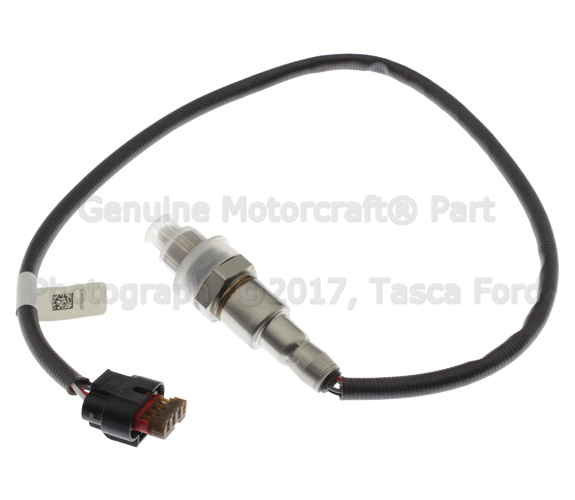
Oxygen Sensor
Oxygen Sensor
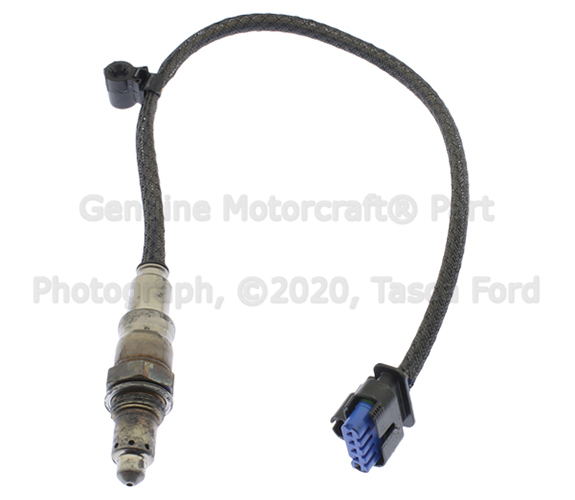
Oxygen Sensor
Oxygen Sensor
Oxygen Sensor


Oxygen Sensor

Oxygen Sensor

Oxygen Sensor
No results found for "Oxygen Sensors". Here are some helpful search tips:
- Search by a part name. Example: water pump.
- Be less specific. Example: brake instead of ceramic brake.
- Remove information such as make, year or model.
- Can't find the part you are looking for? Contact us and we'll find it for you!
Ford Oxygen Sensors at a Glance
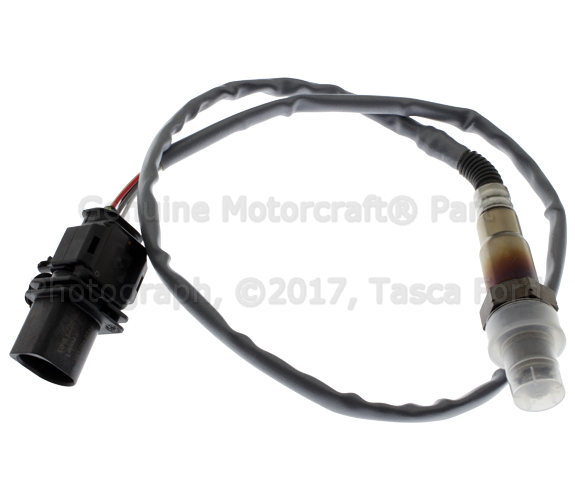
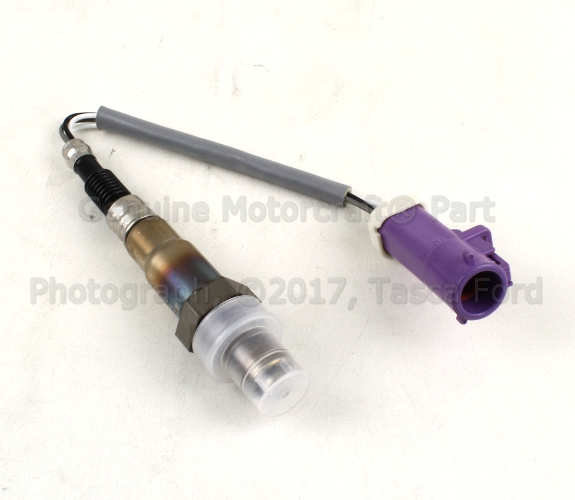
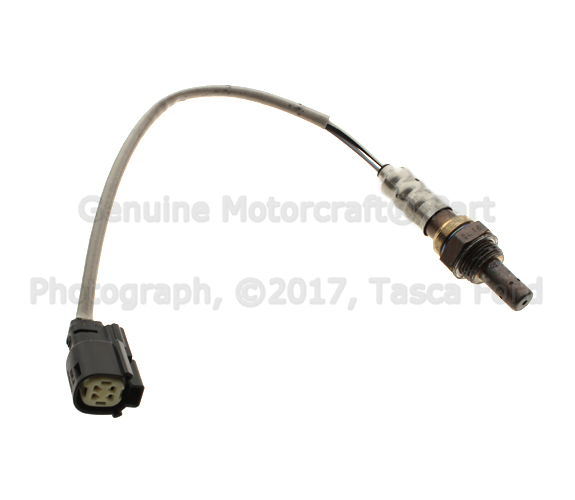
OEM Ford oxygen sensors measure oxygen in the exhaust so the engine computer can manage the air-fuel mixture and monitor catalytic converter performance. Sensors vary by position, engine, connector, and wire length. Identify the exact location and confirm fitment by part number or VIN before ordering.
A check engine light, reduced fuel economy, rough idle, or a failed emissions test can point to an oxygen sensor problem. Exhaust leaks, wiring damage, and other engine issues can trigger similar codes, so a technician should confirm the cause before replacement.
Upstream and Downstream Sensors for Ford Engines
This category includes OEM oxygen sensors and air-fuel ratio sensors for Ford engines in upstream and downstream positions where applicable. Oxygen sensors live in the exhaust, so if threads or pipes are damaged, check OEM Ford exhaust parts. Sensor readings are also affected by fuel and ignition, so OEM Ford fuel injectors and Ford spark plugs may be part of the diagnosis.
Why OEM Sensors Read Accurately
Your engine computer is calibrated to the response characteristics of the factory sensor. Genuine Ford sensors are designed to match those characteristics, along with the correct connector and wire length. Some aftermarket sensors work well, while others may respond differently or require splicing. OEM sensors help avoid repeat codes and fitment problems.
How to Choose the Correct Oxygen Sensor
- Identify the sensor position: upstream or downstream.
- Note the bank on V6 and V8 engines.
- Match the connector and wire length to your original sensor.
- Use the trouble code to help pinpoint which sensor is involved.
Sensor Position, Bank, and Engine Fitment
A single engine may use several oxygen sensors, and each position can require a different part. Upstream sensors are mounted before the catalytic converter, and downstream sensors are mounted after it. On V-type engines, each bank has its own sensors. Select your exact vehicle, review the product notes, and use your VIN to confirm. Sensors can seize in the exhaust, so consult service information or a qualified technician if removal is difficult.
Oxygen Sensor Takeaways
- Sensors vary by position, bank, and engine.
- OEM sensors match factory response, connector, and wire length.
- Confirm the diagnosis before replacing a sensor.
- Verify fitment by part number or VIN.
OEM Ford Oxygen Sensor FAQs
What does an oxygen sensor do?
It measures oxygen in the exhaust to help the engine manage fuel delivery and emissions.
How many oxygen sensors does my Ford have?
It depends on the engine. Many have at least two; V-type engines often have four.
What's the difference between upstream and downstream sensors?
Upstream sensors sit before the catalytic converter; downstream sensors sit after it.
Should I replace oxygen sensors in pairs?
It isn't always required, but on higher-mileage engines, replacing upstream sensors as a pair can keep readings balanced between banks. Ask your technician what makes sense for your vehicle.