

Ford Bushings

Bushing

Bushings

Bushing
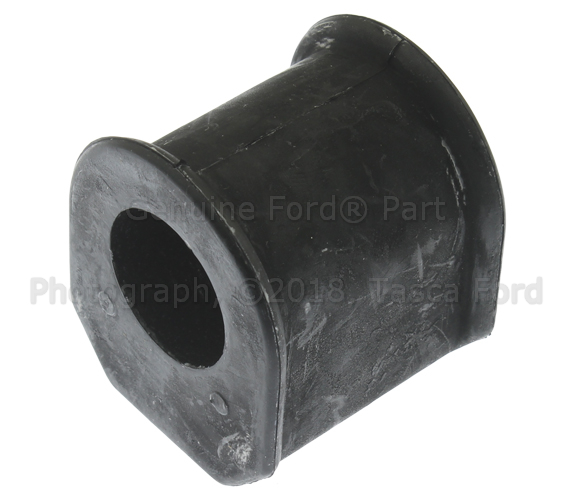
Bushing
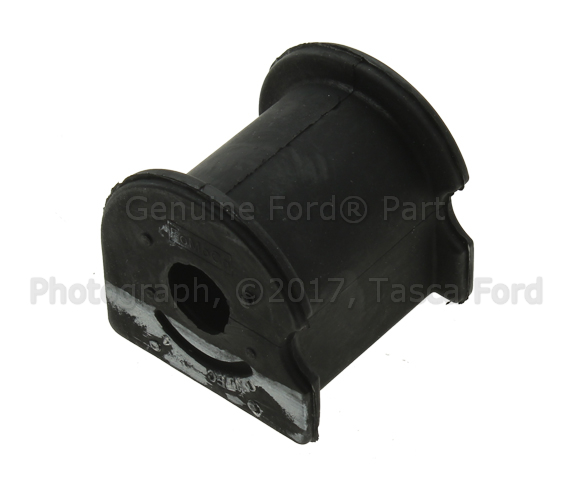
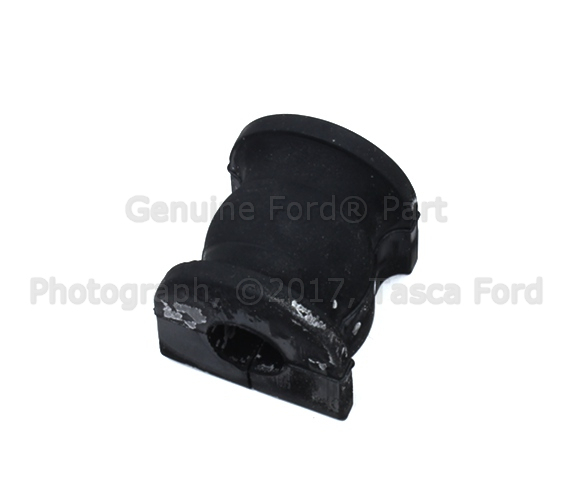
Bushing
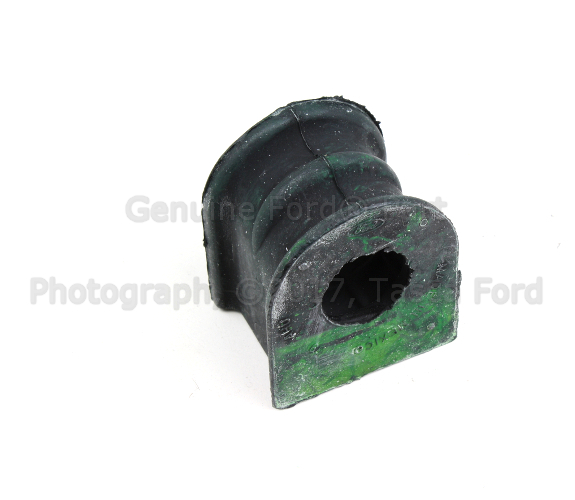
Bushing
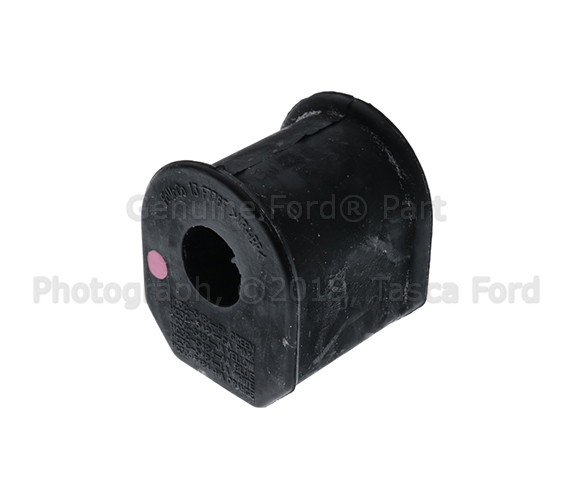
Bushing
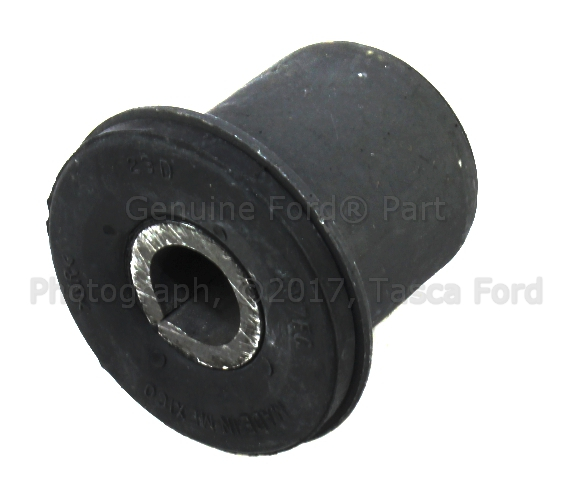
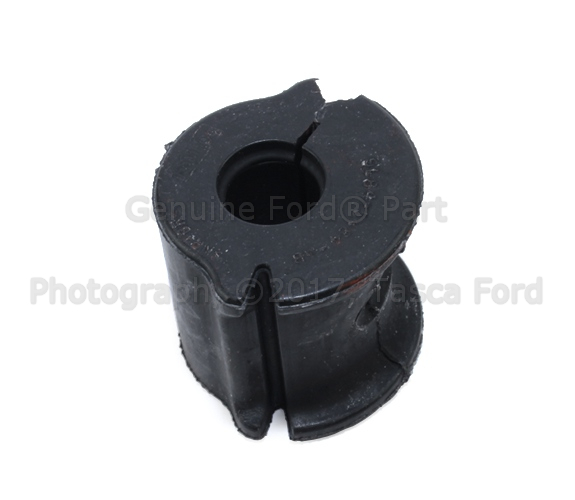
Bush

No results found for "Bushings". Here are some helpful search tips:
- Search by a part name. Example: water pump.
- Be less specific. Example: brake instead of ceramic brake.
- Remove information such as make, year or model.
- Can't find the part you are looking for? Contact us and we'll find it for you!
Ford Bushings in Brief
OEM Ford bushings cushion and locate suspension, steering, and driveline components while reducing noise and vibration. Bushings vary by location, material, and vehicle configuration, and some are sold separately while others come only as part of an arm or link. Identify the exact location and confirm fitment by part number or VIN.
Clunks over bumps, squeaks when turning, wandering steering, or uneven tire wear can point to worn bushings, though ball joints, tie rods, and shocks can cause similar symptoms. Bushings wear slowly as rubber dries out and cracks, so a careful inspection helps pinpoint what needs replacing. Heat, road salt, and oil exposure can speed up that aging process.
Bushing Locations Covered for Ford Vehicles
This category includes OEM Ford bushings for control arms, sway bars, leaf springs, subframes, and other chassis locations where applicable. Bushing wear often shows up alongside shock and strut wear, so review Ford shocks and struts and OEM Ford shock absorbers if your vehicle has high mileage. Replacement often calls for new bolts, especially where fasteners are corroded.
Why Factory Bushings Keep the Ride Balanced
Bushings are tuned for stiffness as well as fit. Genuine Ford bushings are designed to balance comfort, noise reduction, and handling for your vehicle. Aftermarket polyurethane or performance bushings can sharpen handling, but they may transmit more noise and vibration. For stock vehicles, OEM bushings help restore the factory ride and steering feel.
How to Choose the Right Bushing
- Identify the exact location, such as the front lower control arm or sway bar.
- Check whether the bushing is serviced separately or with the arm.
- Note your drivetrain and suspension package.
- Replace bushings in pairs on the same axle when practical.
Location, Drivetrain, and Package Fitment
Bushing fitment can change by drivetrain, suspension package, model year, and production date. Select your exact vehicle, review the product notes, and use your VIN to confirm. Some bushings require a press or special tools, and many suspension bolts should be tightened with the vehicle at ride height. Consult your service information or a qualified technician, and plan for an alignment if steering or suspension geometry is affected.
Bushing Takeaways
- Bushings vary by location and vehicle configuration.
- Some are sold separately; others come with the arm.
- OEM bushings balance comfort and handling.
- Confirm fitment by part number or VIN.
OEM Ford Bushing FAQs
What are signs of worn bushings?
Clunks, squeaks, loose steering, and uneven tire wear can be signs. A technician can confirm.
Can I replace just the bushing?
Sometimes. Some bushings are only sold as part of an arm or link.
Do I need an alignment after replacing bushings?
Often, if the bushings affect suspension or steering geometry.
Are polyurethane bushings better than OEM rubber?
They can be firmer and longer-lasting, which suits some performance builds. They may also add noise and vibration. For a stock ride and quiet cabin, OEM rubber bushings are designed to deliver the factory balance.