

Ford Control Modules

Control Module

Control Module

Control Module

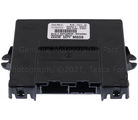
Control Module

Control Module

Control Module

Control Module


Control Module

Control Module

Control Module
No results found for "Control Modules". Here are some helpful search tips:
- Search by a part name. Example: water pump.
- Be less specific. Example: brake instead of ceramic brake.
- Remove information such as make, year or model.
- Can't find the part you are looking for? Contact us and we'll find it for you!
Ford Control Modules in Short
Ford control modules manage systems such as the engine, transmission, body electronics, lighting, and driver aids. Modules are highly specific to your vehicle's equipment and production date, and many require programming or configuration after installation. Confirm the exact module by part number or VIN before ordering.
Warning lights, electrical features that stop working, communication errors, or a no-start condition can sometimes trace back to a control module. However, wiring, connectors, sensors, and low battery voltage can produce similar symptoms. A technician with proper diagnostic equipment should confirm a module fault before you replace it.
Module Types You'll Find for Ford Vehicles
This category includes Ford control modules across vehicle systems, which may include powertrain, body, transmission, restraint, lighting, and other modules where applicable. Many module faults are actually connection issues, so check our Ford wiring harness assembly category if a connector or harness is damaged. Stable voltage is important during programming, which is why many shops use battery chargers and battery maintainers during module work.
Why Genuine Modules Reduce Compatibility Risk
Control modules communicate with each other across the vehicle's network, and each one needs the correct hardware and software for your configuration. Genuine Ford modules are built for Ford's systems and can be programmed with Ford software. Used or aftermarket modules may have incompatible hardware, previous vehicle data, or calibration issues. OEM modules help reduce that risk.
How to Identify the Right Control Module
- Identify which system the module controls.
- Locate the part number on your current module label if accessible.
- Confirm your vehicle's equipment, engine, and production date.
- Ask your technician whether programming is required.
Part Numbers, Programming, and VIN Matching
Modules that look identical can have different part numbers and functions. Ford may also update or supersede module part numbers over time. Select your exact vehicle, review the product notes, and use your VIN to confirm the correct module. Many modules must be programmed to your VIN or configured to your vehicle's options with dealer-level tools before they function properly, so plan for professional installation and setup.
Control Module Takeaways
- Modules are specific to the system, equipment, and production date.
- Confirm the fault with proper diagnostics before replacing.
- Many modules require programming after installation.
- Verify the exact module by part number or VIN.
Ford Control Module FAQs
Does a new Ford control module need programming?
Many do. A qualified technician can confirm what's required for your module.
Can I use a module from another vehicle?
Used modules may carry incompatible data or hardware. Verify compatibility carefully.
Where is the part number on a module?
It's usually on a label on the module housing. Confirm with your VIN.
What causes a Ford control module to fail?
Water intrusion, voltage spikes, corrosion, and heat can damage modules over time. Before replacing one, have a technician check wiring, grounds, and battery condition, since those problems can mimic or cause module failure.